 ultimate-guide
Benefits of Water-Wise Landscaping in Castle Rock and Parker
Quick Summary
Water-wise landscaping, also called xeriscaping, reduces irrigation demand by grouping plants by water need, mulching to slow evaporation, and using efficient drip irrigation. For Castle Rock and Parker yards, this approach suits semi-arid conditions and varied soils while keeping the property green where it matters most.
- Hydrozoning lets you water plants by need instead of running one schedule across the whole yard.
- Mulch at 2 to 3 inches deep slows surface evaporation and keeps soil temperatures stable.
- Drip systems have fewer heads to break or clog, so they usually need less frequent repair than spray.
- Check HOA covenants before finalizing plant lists or hardscape, since some communities restrict turf and rock.
- New plantings need supplemental irrigation for one to two seasons before becoming truly drought tolerant.
Table of Contents
- Why Water-Wise Landscaping Makes Sense on Colorado Lots
- Water Savings and Lower Irrigation Costs
- Choosing Water-Wise Plants for Castle Rock and Parker Yards
- Water-Wise Landscaping Ideas for Front and Back Yards
- Soil, Drainage and Maintenance Benefits Over Time
- The Downsides of Xeriscaping and How to Avoid Them
- How to Start Your Water-Wise Landscape This Season
- Frequently Asked Questions
Why Water-Wise Landscaping Makes Sense on Colorado Lots
Colorado yards face a difficult combination: semi-arid conditions, intense summer sun, and soils that range from heavy clay to sandy loam. Water-wise landscaping, sometimes called xeriscaping, is built around that reality. At Red Gate Farm Design, we treat it as a design discipline rather than a shortcut, grouping plants by water needs, shaping the site for how rain actually moves across the lot, and choosing materials that hold up for decades.
The principles are straightforward. Group plants with similar water requirements together (hydrozoning), amend the soil before planting, mulch to slow evaporation, and irrigate efficiently with drip rather than spray. The result is a yard that looks intentional and stays green where it matters, using a fraction of the water a traditional lawn-heavy design requires.
Water Savings and Lower Irrigation Costs
Grouping plants by water need (hydrozoning) means you stop irrigating the whole yard on one schedule, the penstemon on the south slope gets what it needs, and the shade-loving perennials on the north side are not drowned to keep the turf alive. Mulch at a 2- to 3-inch depth slows surface evaporation and keeps soil temperatures stable, which further reduces demand. Smart controllers that adjust run times based on local evapotranspiration data (available through Colorado State University Extension and local water providers) close the loop by replacing only what the plants actually use.
Lower irrigation demand also simplifies the system itself. Fewer zones, smaller valves, shorter run times, and less pressure on the mainline can reduce both installation and long-term upkeep. A common pattern is that a well-zoned drip system requires less frequent repair than a spray system because there are fewer heads to break, clog, or misalign. Maintenance shifts from replacing spray nozzles and adjusting arcs to flushing filters and checking emitters, a lighter, more predictable load.
The property-value angle is worth stating plainly.
Pricing depends on scope, site conditions, and materials, so please contact us for a quote tailored to your property in Castle Rock or Parker.
Here is how the main water-wise landscaping benefits compare in the article's own terms.
| Benefit | Source of saving | Detail |
|---|---|---|
| Hydrozoning | Grouping plants by water need | Stops one schedule watering the whole yard |
| Mulch | Slows surface evaporation | 2 to 3 inches deep |
| Smart controllers | Adjust run times to plant use | Use local evapotranspiration data |
| Drip irrigation | Fewer heads to break or clog | Less frequent repair than spray |
| Fewer zones | Smaller valves, shorter runs | Less pressure on the mainline |
Choosing Water-Wise Plants for Castle Rock and Parker Yards
Plant selection is where water-wise design either succeeds or disappoints. Native and adapted species, such as prairie grasses, penstemon, salvia, and many hardy perennials, are well suited to the freeze-thaw cycles and sun exposure found across the Front Range.
Match each plant to its microclimate before you buy, since a plant that thrives in full sun on a south-facing slope may struggle in a shaded north-side bed. For inspiration, you can see our recent projects.
Water-Wise Landscaping Ideas for Front and Back Yards
Front yards and back yards serve different purposes, and the design should reflect that. Front yards often benefit from a defined structure with anchoring shrubs and perennial drifts that carry color through the season. For a finished estate example, see how the Fairway Estate landscape comes together. Back yards can be more flexible, with a gathering space and planting that softens the edges.
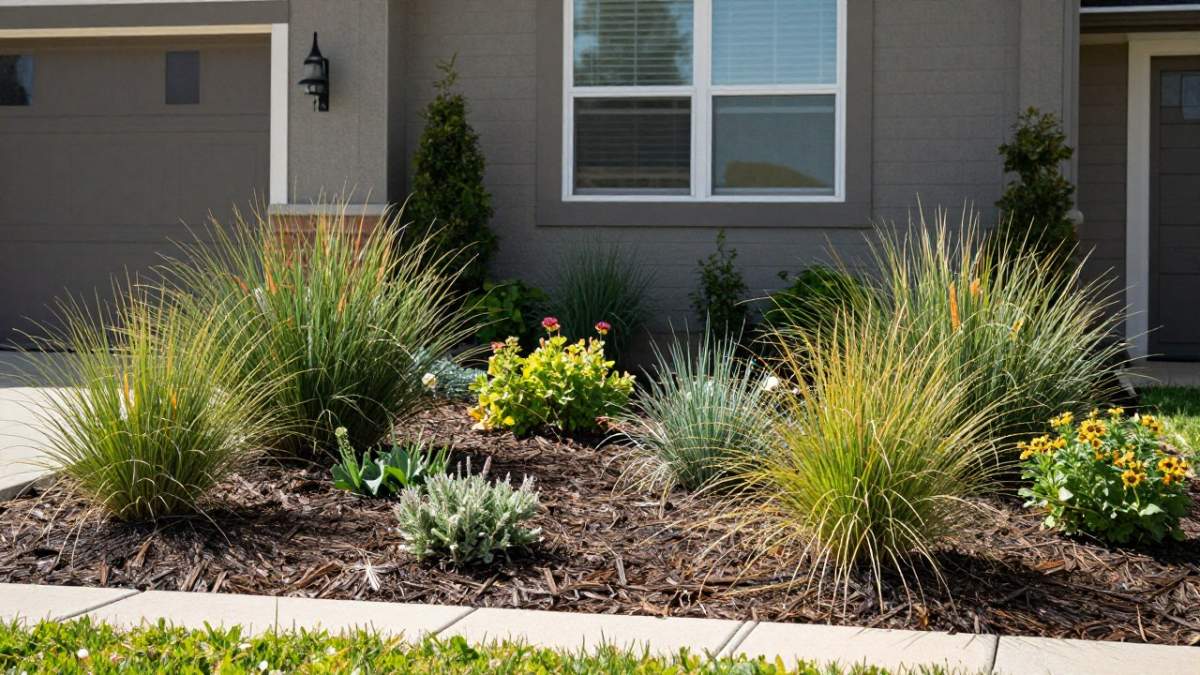
Hardscape matters as much as planting. Our approach is to design these elements together so that the property feels composed rather than assembled.
!A landscaped front yard in a Colorado suburban home with drought-tolerant perennials, ornamental grasses and mulched beds under clear afternoon light
Soil, Drainage and Maintenance Benefits Over Time
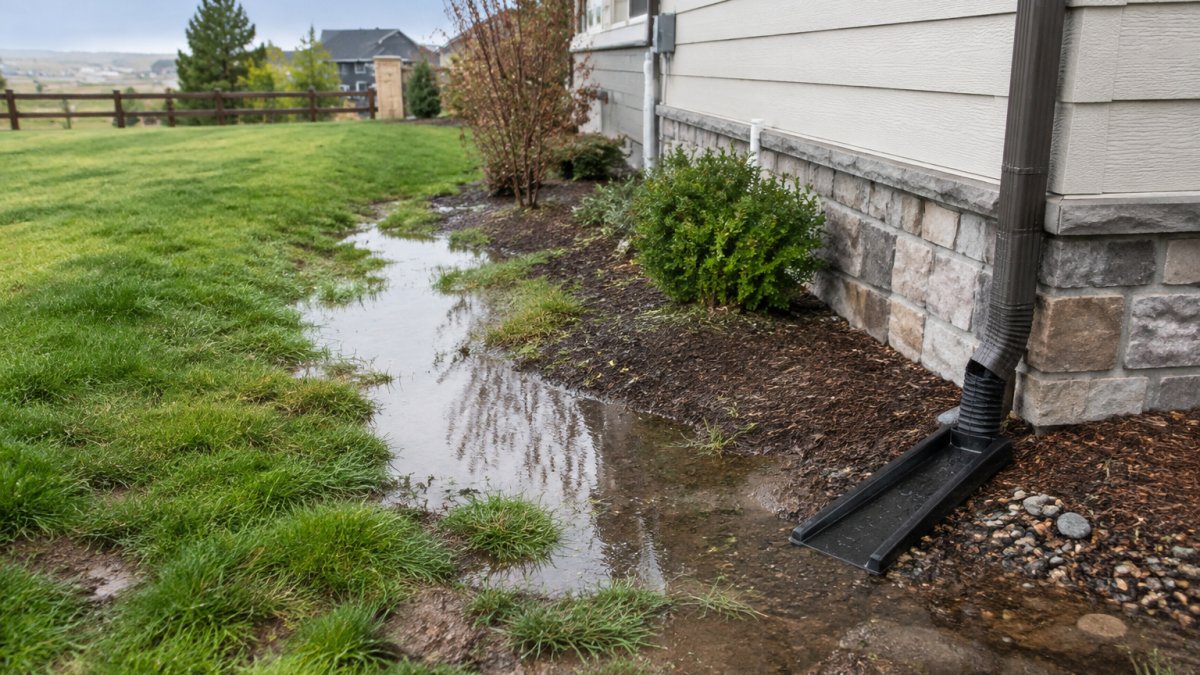
Water-wise landscapes improve with age if the foundation is right. Amending compacted soil with organic matter supports root growth, and proper grading directs stormwater away from hardscape and the foundation.
Maintenance tends to fall over time rather than rise. Established drought-tolerant plants need less frequent watering, less fertilizer, and less mowing than turf. Mulch suppresses weeds and keeps soil temperatures stable. The ongoing work shifts toward pruning, weeding in the first seasons, and checking the irrigation system, which is usually a lighter load than maintaining a full lawn.
The Downsides of Xeriscaping and How to Avoid Them
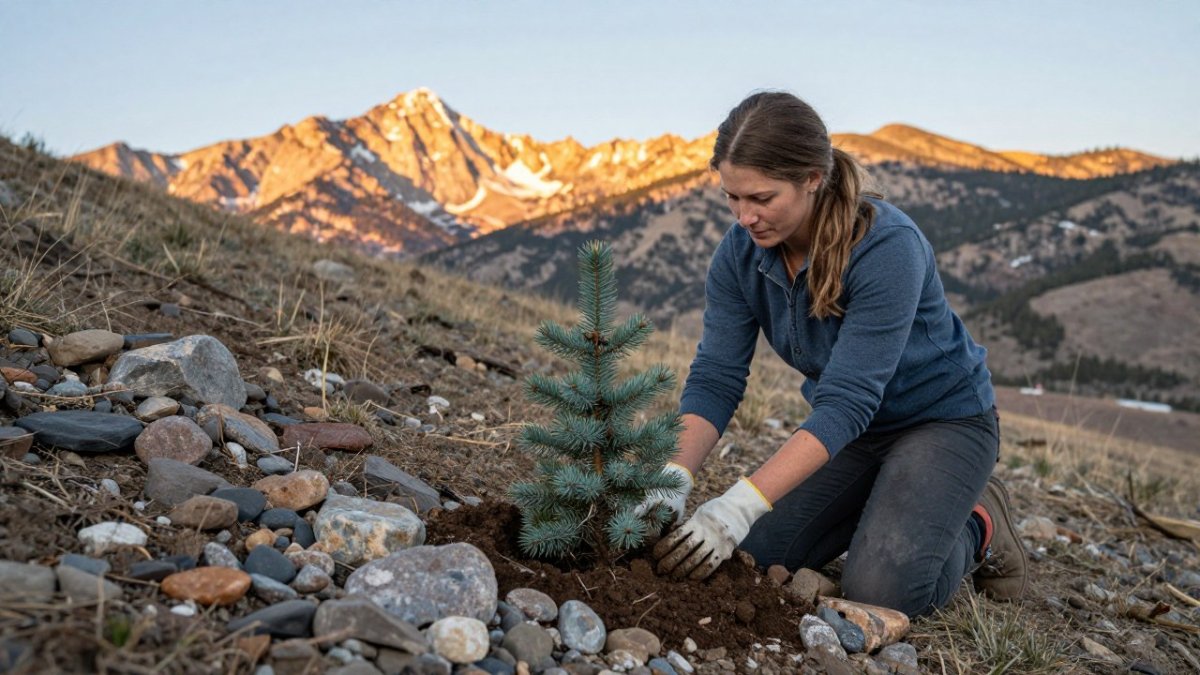
Water-wise design is not without trade-offs. Some owners find that a purely gravel-and-cactus approach feels stark, especially in a neighborhood used to lush lawns. Others underestimate the establishment period: new plantings need consistent supplemental irrigation for their first one to two seasons before they become truly drought tolerant.
Avoid these pitfalls by balancing hard and soft elements, choosing plants with a range of textures and seasonal interest, and planning the irrigation schedule for the establishment period. Check local HOA guidelines before finalizing plant lists or hardscape, since some communities have rules about turf, rock coverage, or front-yard appearance.
How to Start Your Water-Wise Landscape This Season
Homeowners in Castle Rock and Parker often need a practical conversion roadmap for taking an existing lawn-heavy lot and turning it into a water-wise landscape. Here is one sequence to consider.
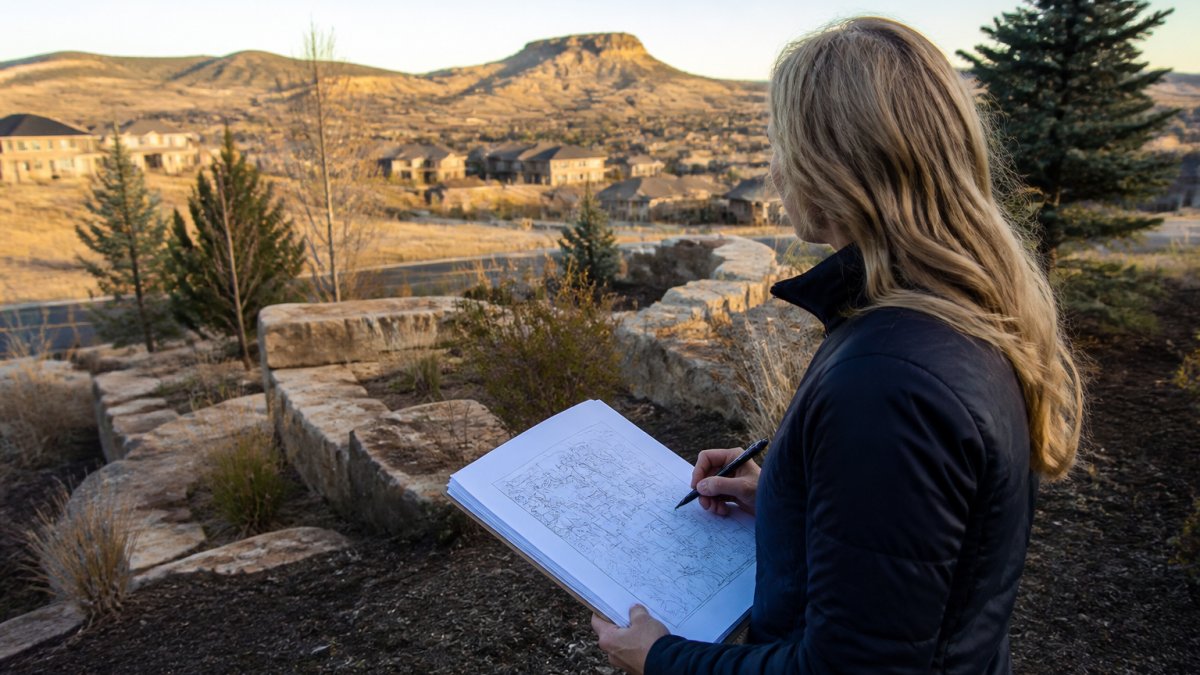
1. Check HOA and local rules before you sketch anything. This is the step most homeowners skip, and it is the one that can derail a project. Many HOAs have covenants about turf coverage, rock or gravel areas, and plant height. Some require architectural review approval before landscape changes. Pull your covenant documents, call your HOA manager, and confirm what is allowed before you buy a single plant. If your HOA has a turf-minimum rule, plan a reduced functional lawn rather than a full removal, a small, well-placed turf area for pets or play often satisfies both the covenant and the water-wise goal.
2. Assess the site honestly. Note sun exposure, slope, drainage paths, and soil type across the lot. Front Range soils can range from heavy clay to sandy loam, and both may need amendment before planting. A simple percolation test, digging a hole, filling it with water, and timing how long it takes to drain, can help you understand your soil.
3. Set goals by zone, not by whole yard. Decide which areas must function (play, entertaining, privacy, pet access) and which can be planted for beauty and habitat. This zone map becomes the backbone of the design and the irrigation plan.
4. Remove turf strategically. Sheet mulching (layering cardboard or newspaper, compost, and mulch over the lawn) is one conversion method that takes a full season to break down, so starting in fall suits a spring planting. Choose based on your timeline and slope.
5. Amend soil and set grading before planting. Improve compacted soil with organic matter, and direct stormwater into infiltration beds or rain gardens rather than across hardscape or toward the foundation. Grading is much harder to fix after plants are in the ground.
6. Zone the plantings and design the irrigation together. Group plants by water need and microclimate, then design separate drip zones for each group. Do not install one schedule for everything, that is the single most common reason water-wise landscapes underperform.
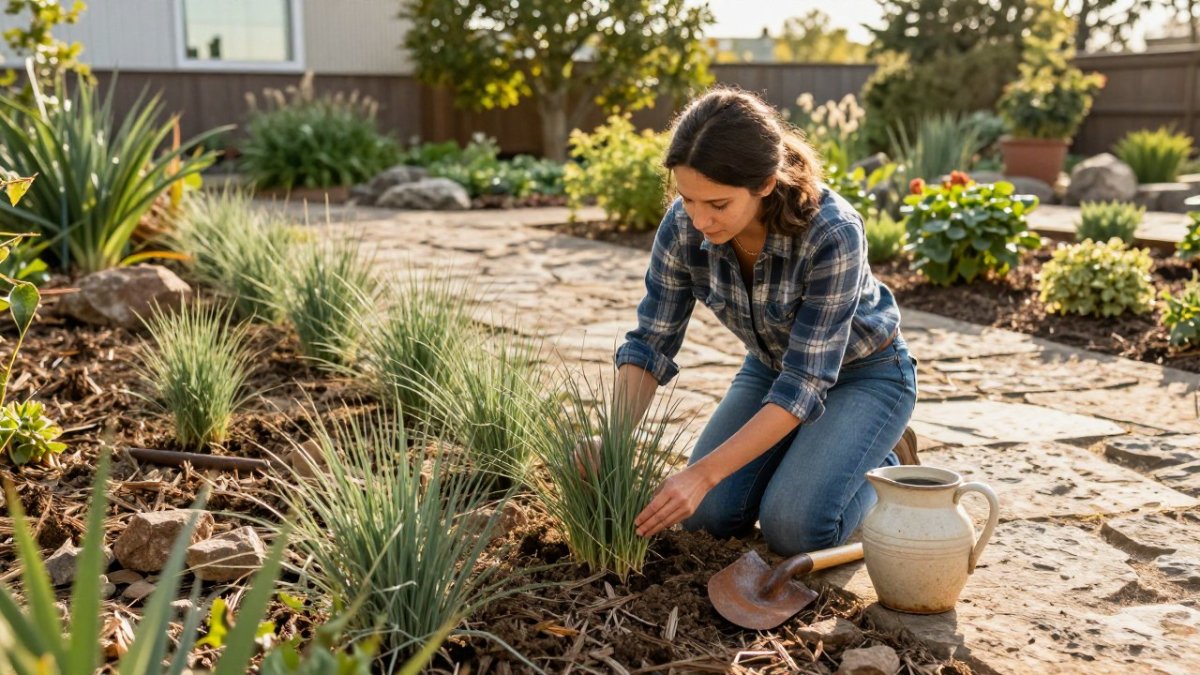
7. Plant in the right season and mulch well. Fall is ideal in this climate because soil is still warm and plants establish roots before winter. Mulch at 2 to 3 inches to retain moisture and suppress weeds.
8. Establish carefully, then taper. New plantings need consistent supplemental irrigation for their first one to two seasons before they become truly drought tolerant. Plan the establishment schedule up front so you are not guessing.
If you want a design that reflects your property and the way you live in it, design, curate, experience is how our team approaches each project from first conversation to final planting. When you are ready to begin, ready to elevate your outdoors? is the simplest next step. Contact Red Gate Farm Design at (303)-520-2694 to schedule your complimentary consultation.
Water-wise landscaping is a long-term investment in the property, the water it uses, and the outdoor rooms you will enjoy for years. Schedule your complimentary consultation with Red Gate Farm Design today at (303)-520-2694 and let us help you plan a landscape that is both beautiful and built for Colorado.
Frequently Asked Questions
What are the benefits of water-wise landscaping?
Water-wise landscaping reduces irrigation demand by grouping plants with similar water needs, using mulch to limit evaporation and choosing plants adapted to Colorado's dry climate. Good design also protects soil structure, supports pollinators and keeps the yard looking intentional through the seasons. Pricing for design and installation depends on the site, scope and timing, so contact Red Gate Farm Design for a quote.
What are the downsides of xeriscaping?
Xeriscaping can feel sparse if it is planned without enough plant layering, texture and seasonal interest. Some homeowners find that drought-tolerant plants need careful spacing and an establishment period of regular watering before they settle in. Poorly chosen rock and gravel areas can also increase heat reflection and runoff if drainage is not considered. A well-designed plan balances hardscape with plant material and places each plant where its water and light needs match the site.
Which water-wise plants work well in Colorado yards?
Many native and adapted plants handle Colorado's dry summers and cold winters well. Options commonly used in Front Range landscapes include blue grama and buffalo grass for lawn alternatives, penstemon and yarrow for perennial color, and ornamental grasses for structure. Group plants by water need, mulch the beds and check local nursery guidance for your exposure and soil. Plant selection should follow the specific site conditions of each property.
How can I make my landscape more water-efficient without losing curb appeal?
Start by zoning the yard so high-water plants sit near the house and low-water areas cover the rest. Use layered plantings, defined edges and a consistent palette of textures to keep the design polished. Drip irrigation delivers water directly to roots and reduces waste compared with spray heads. Adding mulch and a few well-placed focal elements helps the landscape look finished while using less water.