 how-to
How to Do a Landscape Site Analysis for Colorado Properties
Last Updated: November 2, 2026
Quick Summary
A landscape site analysis reads your property's sun, slope, soil, wind, water, and existing features before any planting plan is drawn. In Castle Rock and Parker, we map sunlight, test soil, and track runoff and freeze-thaw drainage first, because Colorado's swings break plans built on assumptions.
- Map shadows at 9 a.m., noon, and 3 p.m., and mark where snow lingers longest in winter.
- Collect soil samples from several spots at 6 to 8 inches deep and mix them into one lab sample.
- Watch where water enters, pools, channels, and exits your property after a rain.
- Check the plat and drainage easements before regrading, since lot lines limit where runoff can go.
- Note healthy native plants already thriving on your lot as evidence of what the site supports.
Table of Contents
- Why a Landscape Site Analysis Comes Before Any Planting Plan
- Step 1: Map Sunlight Exposure and Shade Patterns Across Your Lot
- Step 2: Read the Topography, Slope, and Surface Runoff
- Step 3: Soil Testing for Residential Gardens
- Step 4: Track Wind Direction and Colorado's Seasonal Extremes
- Step 5: Diagnose Landscape Drainage Solutions for Sloped Yards
- Step 6: Catalog Existing Vegetation, Views, and Site Constraints
- How the Custom Residential Landscape Design Process Turns Findings into a Plan
- Frequently Asked Questions
Why a Landscape Site Analysis Comes Before Any Planting Plan
A landscape site analysis is the process of reading a property's sun, slope, soil, wind, water, and existing features before anyone draws a planting bed. At Red Gate Farm Design, every design starts here, because the land tells you what will thrive and what will fail. Skip this step and you spend money replacing plants that never had a chance.
Colorado makes this step non-negotiable. The Front Range swings from dry heat to hard freezes, and hail arrives without warning. A plan built on assumptions instead of observation tends to break in its first season.
Below, we walk through six steps we use on every property. Each one takes a few hours and saves far more than that in rework.
Step 1: Map Sunlight Exposure and Shade Patterns Across Your Lot
Sun mapping is the practice of tracking where light lands and where shade sits throughout the day. Do it on a clear day, and check the same spots again in the morning, at noon, and late afternoon.
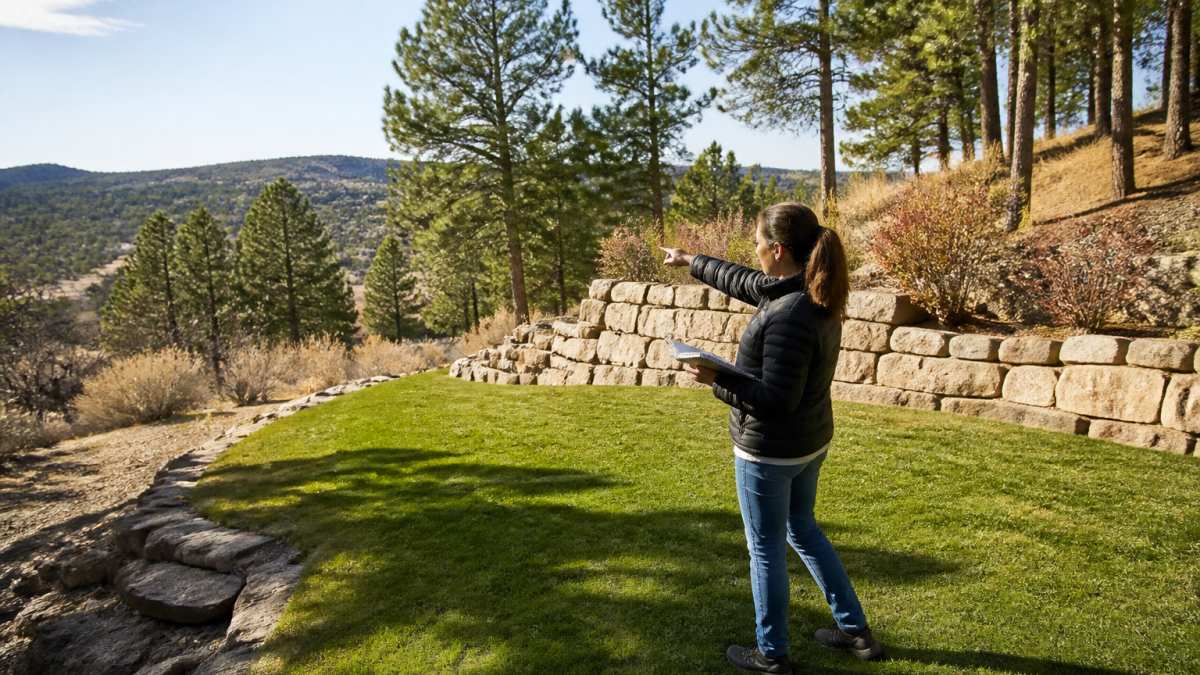
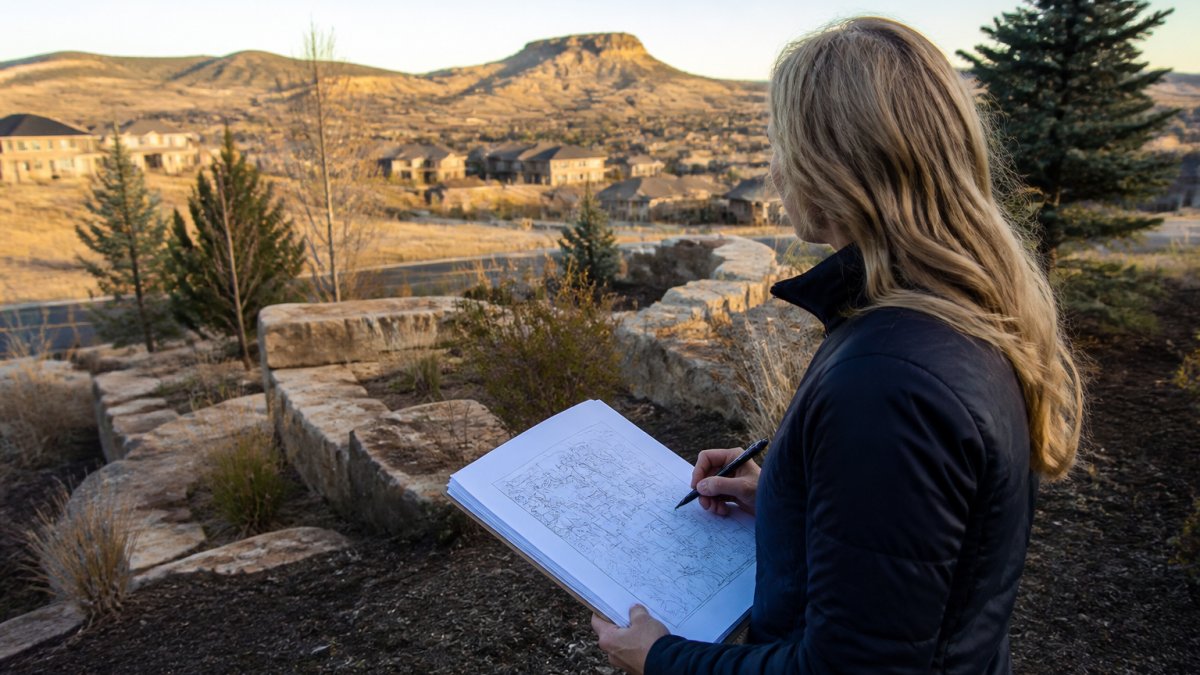
A simple method works well:
- Sketch your lot and mark north
- Note shadows at 9 a.m., noon, and 3 p.m.
- Mark where snow lingers longest in winter
- Photograph each view so you can compare later
The south and west sides of a Colorado home take brutal afternoon sun. The north side stays cold and damp longer. Those differences decide which plants survive where.
Step 2: Read the Topography, Slope, and Surface Runoff
Topography is the shape of the ground, and slope is how fast water moves across it. Walk the property after a rain and watch where water actually goes.
Look for low spots, eroded channels, and the direction of surface runoff. A yard that slopes toward the house is a warning sign, not a detail. Grading changes are easier to plan now than to fix after hardscape goes in.
Note the elevation changes across the lot:
- Steep banks that need stabilization
- Flat areas that collect water
- High points that dry out first
- Transitions where the grade shifts
These observations shape every drainage decision that follows.
Step 3: Soil Testing for Residential Gardens
Soil testing for residential gardens tells you what your ground can actually support. A basic lab test reports pH, texture, and nutrient levels. In Castle Rock and Parker, the soil story is rarely simple: you may find alkaline clay on one side of the lot and sandy, gravelly fill on the other, especially on newer builds where topsoil was stripped or compacted during construction.
Colorado soils tend to run alkaline and clay-heavy, and they compact easily. That matters because compacted clay sheds water instead of absorbing it. Amendment is not a universal fix. The test results tell you whether you are correcting a true deficiency or just propping up a plant that belongs in a different soil.
A repeatable method works best:
- Collect samples from several spots at a consistent depth, usually 6 to 8 inches for lawn and garden beds.
- Mix the cores in a clean bucket and send one combined sample to a lab.
- Ask for pH, texture, organic matter, and available nutrients.
- Note any areas where the soil looks or feels different, and sample those separately if the lot is large.
Watch out: sampling only the wettest or most convenient spot gives you a false picture. A single sample from a low, shady corner can make the whole yard look richer than it is.
The report tells you how much amendment your beds need, but it also flags constraints. High pH can lock up iron and other micronutrients, which shows up as yellowing leaves on plants that are otherwise watered and fed correctly. Heavy clay with low organic matter needs a different strategy than sandy soil that drains too fast. Soil is often not uniform across a property, and the design should reflect that.
If you are on a new build, ask whether topsoil was stockpiled and returned or scraped away. That single question often explains why one bed thrives and another fails. Testing before you plant is the cheapest diagnostic step in the entire project.
Here is the sampling method the article recommends for getting a soil test that reflects the whole lot.
| Step | What to do | Note |
|---|---|---|
| 1 | Collect samples from several spots at consistent depth | Usually 6 to 8 inches for lawn and garden beds |
| 2 | Mix the cores in a clean bucket | Send one combined sample to a lab |
| 3 | Ask for pH, texture, organic matter, available nutrients | These are the reported results |
| 4 | Sample odd-looking areas separately | Recommended if the lot is large |
| Watch out | Sampling only the wettest or most convenient spot | Gives a false picture of the yard |
Step 4: Track Wind Direction and Colorado's Seasonal Extremes
Wind direction matters more here than most homeowners expect. Note prevailing winds, then look for exposed corners where plants get battered.
Colorado's seasonal conditions include late spring freezes, intense summer sun, and fast-moving hail. Wind plus dry air pulls moisture from leaves quickly. A plant that looks fine in June can scorch by August.
SCHEDULE YOUR COMPLIMENTARY CONSULTATION TODAY (303)-520-2694 →
Track these conditions:
- Prevailing winter wind direction
- Areas where snow drifts pile up
- Spots fully exposed to hail
- Sheltered pockets near walls or fences
Shelter changes everything. A windbreak of the right plants can protect a whole bed.
Step 5: Diagnose Landscape Drainage Solutions for Sloped Yards
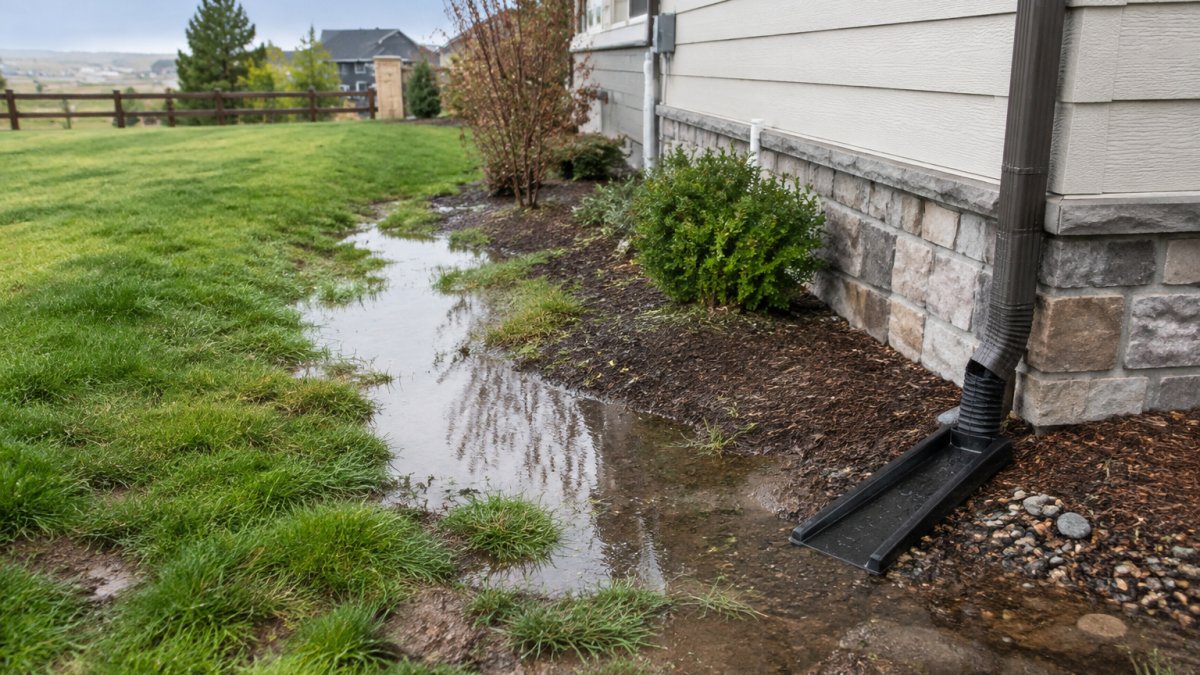
Landscape drainage solutions for sloped yards start with observation, not equipment. Watch where water pools, where it cuts channels, and where it leaves the property. On a slope, water gains speed and takes soil with it. Common fixes include grading adjustments, shallow swales, and planting that holds soil in place. The right answer depends on your slope, soil, and where the water needs to end up.
On Front Range properties, the freeze-thaw cycle adds a layer that is easy to overlook. Water that sits in a low spot in November can freeze, heave the soil, and leave a depression by spring. Repeated cycles widen cracks in hardscape and push retaining walls out of plumb. Drainage is not just about moving water away from the foundation; it is about moving it away before it has time to infiltrate and freeze.
A water-wise analysis connects what you observe to how you irrigate. If runoff sheets across a clay slope instead of soaking in, adding irrigation on top of that slope wastes water and feeds erosion. The better move is often to slow the water with a shallow swale or a planted berm, let it infiltrate where the soil can accept it, and zone irrigation separately for the top of the slope, the toe of the slope, and the flat areas that stay wet longer.
Map the full path before you change any grade:
- Where water enters the property
- Where it pools or channels
- Where it exits, and whether that exit is legal and safe
- Which areas stay dry and which stay soggy after a rain
Watch out: sending runoff toward a neighbor's property or a foundation creates a bigger problem than the one you started with. Lot lines and easements can limit where you legally direct water, so check the plat and any drainage easements before you regrade.
On steeper lots, retaining walls and terraces can manage grade, but they need proper footing depth below the frost line and backfill that drains. A wall that looks fine in summer can fail after a wet fall and a hard freeze if water is trapped behind it. The design should pair every grade change with a clear path for water to leave safely.
Step 6: Catalog Existing Vegetation, Views, and Site Constraints
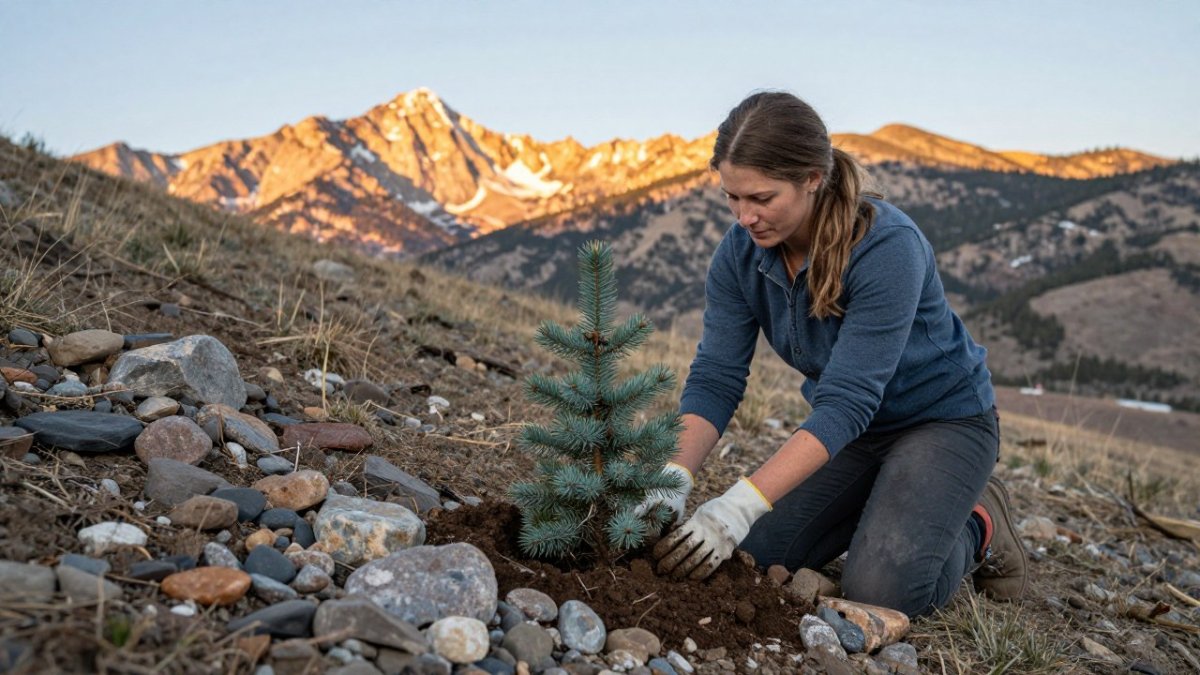
Existing vegetation is information. Note which plants are healthy, which are struggling, and which are invasive. Native plants already thriving on your lot tell you what the site supports.
Then map the less obvious constraints:
- Property boundaries and setbacks
- Utility lines and easements
- Views worth protecting
- Privacy gaps you want to close
- Access points for equipment and circulation
Site constraints and site opportunities often sit in the same spot. A mature tree might block a view but provide the only afternoon shade on the property. Record both before you decide.
How the Custom Residential Landscape Design Process Turns Findings into a Plan
A custom residential landscape design process turns raw observations into a plan you can build. We group findings by cost, risk, and design impact, so the drainage fix that protects your foundation comes before the planting palette.
This is where a designer earns their place. A contractor builds what you ask for. A designer reads the site analysis and tells you what the land will actually support, then shapes the outdoor space around how you live.
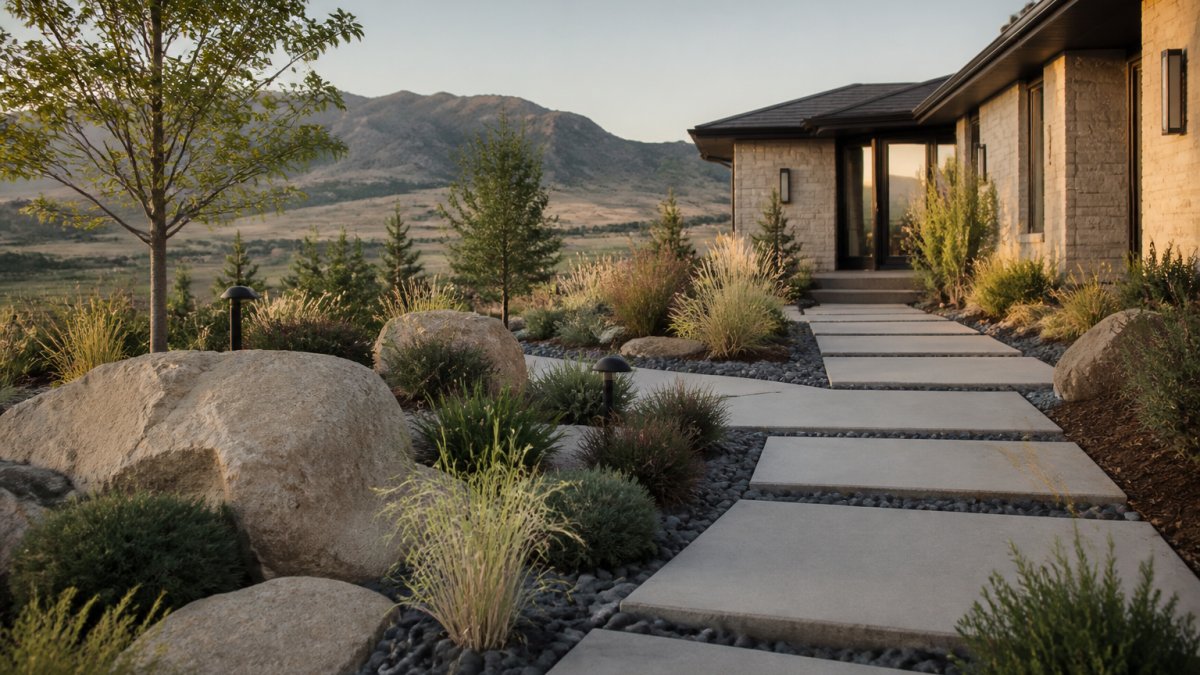
Our work in Castle Rock and Parker centers on properties with real grade changes, mature trees, and views worth framing. You can see our recent projects to understand how we translate a site's constraints into quiet, intentional outdoor rooms. If you want to picture the finished result on a lot like yours, browse our completed landscapes for examples close to home.
The analysis is the foundation. The design is what makes it feel effortless.
Frequently Asked Questions
What is included in a professional landscape site analysis?
A thorough landscape site analysis documents sunlight exposure and shade patterns, slope and topography, drainage and surface runoff, soil type and condition, wind direction, existing vegetation, views, privacy, circulation, and property boundaries. On Colorado properties it also weighs elevation, seasonal temperature extremes, and regional hazards like hail. The goal is a written and mapped record of what the land already does so plant selection and hardscape decisions rest on evidence rather than guesswork.
How does the climate in Castle Rock and Parker affect landscape design?
Both towns sit along the Front Range at elevations that bring wide temperature swings, intense sun, drying wind, and fast-moving hail. Soil testing for residential gardens often reveals shallow topsoil over clay or decomposed granite. A site analysis captures the specific wind, sun, and drainage patterns of your lot so the design can account for the local microclimate.
Why is soil testing important for residential landscaping?
Soil testing for residential gardens shows pH, texture, organic matter, and nutrient levels before you spend money on plants. Colorado soils frequently run alkaline and compacted, which limits what will thrive and how water moves. A basic lab test gives you numbers to act on: amendments to add, drainage to improve, and plants that match the soil you actually have rather than the soil you wish you had.
How do I identify drainage issues on my property?
Walk the lot after a heavy rain and note where water pools, where it sheets across pavement, and where it cuts channels into mulch or bare soil. Look for stained foundation walls, soggy low spots, and erosion at downspout outlets. Landscape drainage solutions for sloped yards, such as grading, swales, and dry creek beds, depend on those observations. Record the findings during your site analysis so the design directs water away from the house.
Every property has a story the ground is already telling. The question is whether anyone reads it before the first shovel moves. At Red Gate Farm Design, we build each plan on that reading, with landscapes tailored to Colorado architecture, a design process shaped around your specific lot, and a focus on timeless, bespoke outdoor spaces. Ready to elevate your outdoors? Get started with Red Gate Farm Design and schedule your complimentary consultation at (303)-520-2694.